

Navigating Intimacy and Enjoying Sex After Menopause


Menopause marks a significant change in a woman’s life, often bringing shifts in physical health, emotions, and relationships. One area that many find challenging is intimacy and sexual activity. Changes in hormone levels can affect desire, comfort, and confidence, but sex after menopause can still be fulfilling and enjoyable. Understanding what to expect and how to adapt can help women maintain a satisfying intimate life.
Understanding Changes in Sexual Health After Menopause
Menopause typically occurs between ages 45 and 55 and signals the end of menstrual cycles. The drop in estrogen and other hormones can cause physical changes that influence sexual experiences:
Vaginal dryness: Reduced natural lubrication can make intercourse uncomfortable or even painful.
Thinning of vaginal walls: This can lead to increased sensitivity or irritation.
Lower libido: Hormonal shifts may decrease sexual desire.
Changes in orgasm: Some women notice differences in intensity or frequency of orgasms.
These changes are common but not universal. Each woman’s experience is unique, and many find ways to adapt and continue enjoying intimacy.
Practical Tips to Enhance Comfort and Pleasure
Addressing physical discomfort is key to maintaining a healthy sex life after menopause. Here are some practical strategies:
Use lubricants and moisturizers
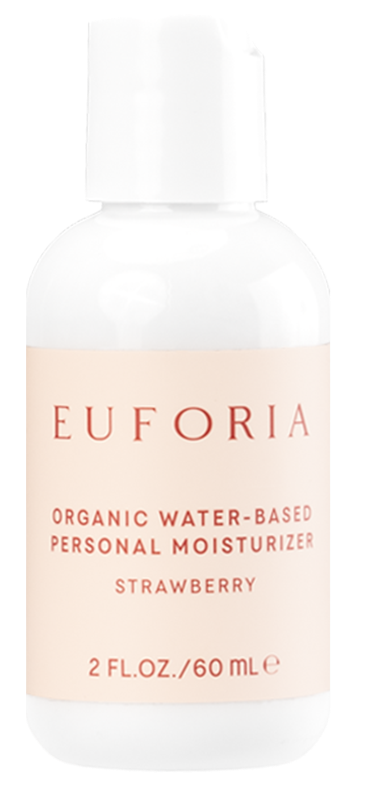
Water-based lubricants can reduce friction during sex, making it more comfortable. Vaginal moisturizers used regularly can improve tissue health and hydration.
Consider vaginal estrogen therapy
Low-dose estrogen creams, tablets, or rings prescribed by a healthcare provider can restore vaginal tissue and reduce dryness without significant systemic effects.
Explore new types of stimulation
Experimenting with different kinds of touch, positions, or foreplay can increase pleasure and arousal.
Communicate openly with your partner
Sharing feelings and preferences helps build intimacy and reduces anxiety about sexual activity.
Practice pelvic floor exercises
Strengthening pelvic muscles can improve blood flow and sensation, enhancing sexual response.
Emotional and Psychological Aspects of Sex After Menopause
Sexual health is not just physical. Emotional well-being plays a big role in intimacy:
Body image: Changes in appearance or weight can affect confidence. Focusing on self-care and positive self-talk supports a healthy self-image.
Stress and mood: Menopause can bring mood swings or anxiety. Managing stress through mindfulness, therapy, or relaxation techniques can improve desire.
Relationship dynamics: Long-term partnerships may evolve. Prioritizing emotional connection and spending quality time together can deepen intimacy.
Seeking support from counselors or support groups can help navigate these emotional changes.
When to Seek Medical Advice
If discomfort, pain, or loss of desire persist despite self-care, consulting a healthcare professional is important. They can:
Rule out other causes such as infections or medical conditions.
Discuss hormone replacement therapy options.
Recommend counseling or sex therapy.
Provide guidance on safe and effective treatments.
Early intervention can prevent problems from worsening and improve quality of life.
Embracing a New Chapter of Intimacy
Sex after menopause does not have to be a source of frustration or loss. Many women find this phase offers opportunities to explore intimacy in new ways, free from concerns about pregnancy or societal expectations. Embracing changes with curiosity and patience allows for a fulfilling sexual life.
Key takeaways:
Physical changes are common but manageable with lubricants, moisturizers, and medical options.
Open communication and emotional support strengthen relationships.
Self-care and pelvic exercises enhance comfort and pleasure.
Professional advice can provide tailored solutions.
By understanding and adapting to the changes menopause brings, women can continue to enjoy intimacy and maintain strong, loving connections.


Comments